Exploring the Rich History of Mahjong
Originating in China during the Qing Dynasty, Mahjong has become an internationally recognized and cherished game. It brings together friends and family alike, and its intricate blend of skill, strategy, and chance makes it an exciting pastime for people of all ages.
Understanding the Basic Elements of Mahjong
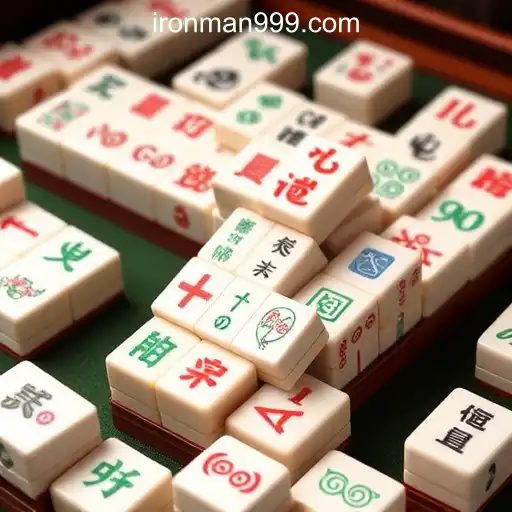
To the uninitiated, Mahjong can seem like a complex game. However, breaking it down into its basic elements can make it more accessible. Mahjong is traditionally played with 144 tiles based on Chinese characters and symbols. The objective is to build a winning hand using these tiles - a feat achieved by collecting sets and pairs.
Each player starts with 13 tiles and takes turns drawing and discarding tiles until they form four sets and a pair. A set is either a sequence of consecutive numbers in the same suit, known as a "chow," or three or four identical tiles, called a "pung" or "kong." The player who manages to do so first and declare "Mahjong" is the winner of that round.
Mahjong's Influence and Cultural Significance
The influence of Mahjong extends beyond just being a game; it has ingrained itself in various cultures worldwide. In China, it's more than just a pastime – it's a cultural staple that symbolizes unity and social interaction. Various versions of the game have emerged in different Asian countries, each with unique rules and styles.
With the global diaspora, Mahjong slowly made its way into Western cultures, gaining popularity in America during the early 20th century. The game has since been adapted in many ways to cater to different cultural preferences, while some enthusiasts remain true to the traditional rules.
The Modern Mahjong Journey: Digital Adaptations
As technology evolved, so did Mahjong. Today, it has found a new life in the digital arena, with countless apps and online platforms dedicated to this ancient game. Players can enjoy Mahjong on their phones, tablets, or computers, often engaging in real-time games with players across the globe.
Digital adaptations have allowed Mahjong to retain its charm while offering new features to enrich the experience. Varieties include the classic four-player game as well as solitaire versions, which challenge players to clear a board by matching pairs of tiles.
WG-IRONMAN Oficial Slots Brasil #1 and Its Connection to Mahjong
Amidst this backdrop of evolving digital landscapes, WG-IRONMAN Oficial Slots Brasil #1 ventures into the realm of online gaming, drawing inspiration from Mahjong's enduring appeal. While originally distinct from slot gaming, the essence of Mahjong makes for interesting thematic inclusions in this Brazilian venture.
The WG-IRONMAN Oficial Slots Brasil #1 leverages the strategic depth and cultural richness of Mahjong, providing players with an engaging experience that captures the spirit of the traditional game. By integrating Mahjong themes into slot mechanics, the game offers a refreshing twist to classic betting games.
Adapting WG-IRONMAN Oficial Slots Brasil #1 with Mahjong Themes
Incorporating Mahjong into online slots is no small feat. WG-IRONMAN Oficial Slots Brasil #1 seeks to embrace the strategic complexity of Mahjong by incorporating elements like tile matching, iconic symbols, and the deep-rooted traditions of the classic game.
This fusion of styles creates a unique gaming experience that maintains the excitement of slots while engaging players with Mahjong-themed bonuses and features. Players can experience the exhilaration of a new type of journey, reminiscent of the strategic tile-based gameplay.
Conclusion: Celebrating Mahjong's Legacy in Online Gaming
Mahjong's journey from ancient China to present-day online gaming highlights its eternal allure. WG-IRONMAN Oficial Slots Brasil #1 embodies this timeless charm, demonstrating how traditional games can seamlessly integrate into contemporary gaming landscapes. While significant differences separate slots and Mahjong, their convergence in this innovative platform ensures Mahjong's continued cultural relevance and ongoing influence in the digital age.